
Introduction: A Different Kind of Dive Trip
Diving in Bali isn’t just about visiting one location. A dive safari lets you explore multiple dive regions across the island in a single trip. It’s the perfect way to experience Bali’s rich marine diversity, from shipwrecks in Tulamben to manta encounters in Nusa Penida and macro critters in Padangbai and Amed. Whether you’re a beginner or a certified diver looking to maximize your underwater time, a dive safari is a flexible, immersive way to enjoy all that Bali has to offer.
What Is a Dive Safari?
A dive safari is a multi-day dive trip that takes you to several dive sites across the island, often staying in different coastal villages or resorts along the way. Instead of staying in one location and doing daily dives from there, you’re moving through Bali’s most famous dive regions and diving as you go.
These safaris typically range from three to fourteen days and can include accommodations, transport, equipment, and a personal dive guide. They’re well-suited for people who want to see the variety of Bali’s dive environments in one organized package.
Popular Dive Safari Routes in Bali
- Tulamben: A top spot for wreck diving, home to the USAT Liberty shipwreck and rich coral slopes.
- Amed: Great for macro diving and relaxed reef dives, with easy beach access and local charm.
- Padangbai dive sites: Known for reef and muck diving with sightings of nudibranchs, frogfish, and reef sharks.
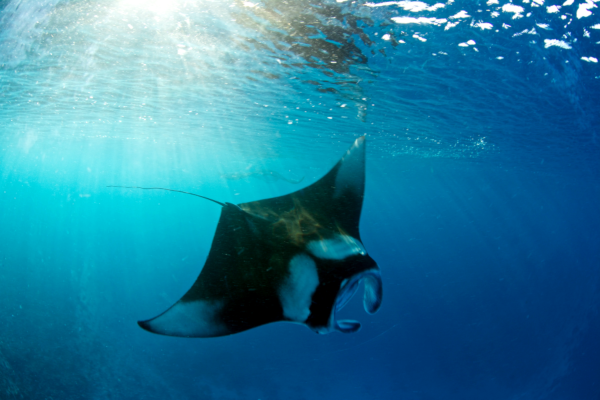
- Nusa Penida: Offers drift diving, manta rays, and seasonal sightings of mola mola.
- Pemuteran and Menjangan: Located in the northwest, these sites feature calm waters, coral walls, and marine conservation zones.
- Each location offers a unique underwater experience, and traveling between them by road lets you see the landscape and culture of Bali as well.
Who Should Join a Dive Safari?
Dive safaris are suitable for a wide range of divers. Beginners can choose a relaxed route that includes training dives and beginner-friendly sites, while experienced divers can opt for safaris that include deeper, drift, or night dives. Many safaris are customizable based on your certification level and interests.
They’re also great for underwater photographers, marine life enthusiasts, and anyone who wants to get the most out of their time on the island without having to organize logistics between dive spots.
What to Expect Each Day
Each day typically includes two to three dives, with transport and accommodation arranged between dive locations. Most safaris offer options to add night dives or extra dives at specific sites. After diving, you’ll have time to relax at the resort, explore nearby villages, or simply enjoy the peaceful coastal settings.
Some operators include local experiences such as visiting temples, trying Balinese cuisine, or optional spa treatments during surface intervals.
How to Prepare for a Dive Safari
Before joining a dive safari, it’s a good idea to:
- Make sure your certification and logbook are up to date
- Bring personal gear like a mask, dive computer, and reef-safe sunscreen
- Let the dive center know your interests and comfort level
- Have travel insurance that covers scuba diving
If you’re bringing underwater photography equipment, inform your guide so they can plan for appropriate dive sites and conditions.
Conclusion: Explore Bali, One Dive at a Time
A dive safari in Bali is more than just a dive trip it’s a journey across the island’s rich underwater landscapes. With vibrant reefs, dramatic drift dives, shipwrecks, and curious macro life, you’ll get a full taste of what makes Bali a world-class diving destination. If you’re ready to see more than just one dive site, a safari is the most rewarding way to experience the island beneath the surface.


